

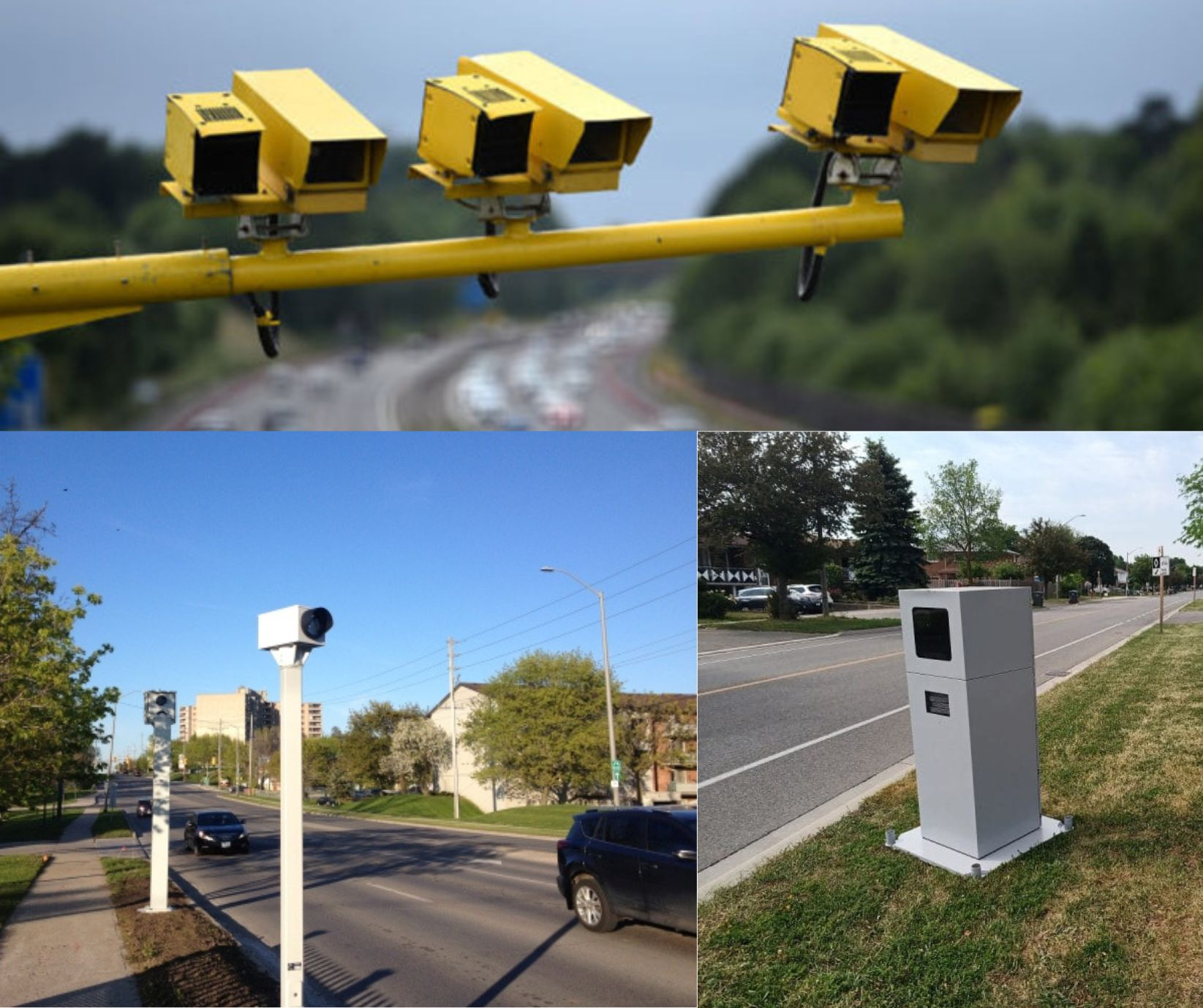
The Ontario government has announced plans to phase out speed cameras across the province. While this development may initially sound like good news for drivers, the broader implications deserve careful consideration.
One of the main criticisms of speed cameras was the limited ability to challenge them successfully. However, because camera-issued tickets were not personal offences, they did not affect a driver’s record or insurance. As a result, many motorists viewed them as a “pay and forget” solution.
That landscape is now changing.
The primary concern following the government’s decision is the potential impact on road safety. It is unlikely that enforcement will simply be reduced. Rather, we can expect alternative measures to be implemented. In particular, increased police patrols and targeted speeding enforcement are a probable response. Drivers should remain vigilant and cautious.
If you are stopped and charged by a police officer, the consequences are significantly more serious than a camera-issued ticket. These are personal offences that appear on your driving record. For insurance purposes, a first conviction can result in a premium increase of approximately 30% for two to three years. Subsequent convictions may lead to increases of 60–70%. While insurance typically looks back three years, the conviction itself remains on your record indefinitely.
There is a common misconception on social media that disputing a traffic ticket is futile—or that simply attending court will result in the charge being dismissed if the officer fails to appear. This advice is unreliable.
First, an officer’s absence does not guarantee a dismissal. Ontario courts increasingly accept certified evidence at the request of prosecutors, meaning the offence notice itself may be admitted as evidence.
Second, traffic charges can be successfully challenged for many legitimate procedural and evidentiary reasons, including documentation errors, radar or laser calibration issues, environmental conditions, and road or traffic characteristics. Relying on chance rather than a structured legal defence may mean missing a strong opportunity to have the charge withdrawn or dismissed.
As always, the best approach is prevention—drive safely and responsibly. If you are charged, informed legal guidance can make a meaningful difference.